The native flora of New Zealand is rich and unique having evolved in isolation for millions of years, because of this it has a distinctive look about it.
No fewer than 80% of New Zealand’s native plants and trees are endemic i.e. occurring here and nowhere else. Although few have showy flowers the variety of foliage colour, texture, and shape is unsurpassed.
At Azur we have a large number of native plants and trees, here are a few you may notice during your stay.
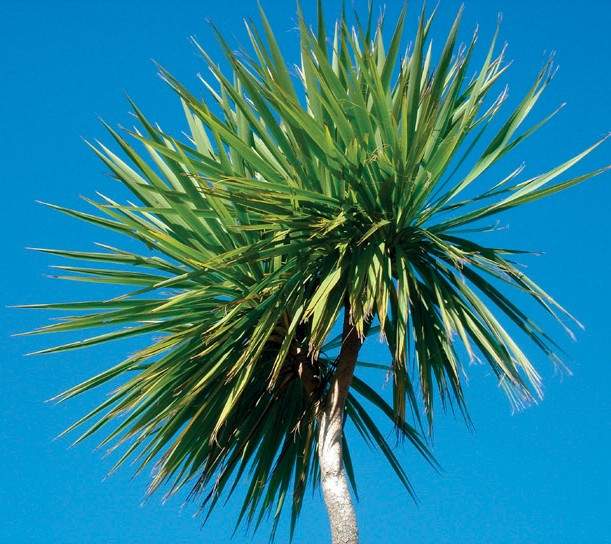
The Cabbage Tree
The cabbage tree is one of the most distinctive trees in the New Zealand landscape, especially on farms. They grow all over the country, but prefer wet, open areas like swamps. Cabbage trees have lovely scented flowers in early summer, which turn into bluish-white berries that birds love to eat.
Growing 12 to 20 metres high, cabbage trees have long narrow leaves that may be up to a metre long. As the plant gets old, the stems may die but new shoots grow from any part of the trunk. The bark is thick and tough like cork, and a huge fleshy taproot anchors the tree firmly into the ground.
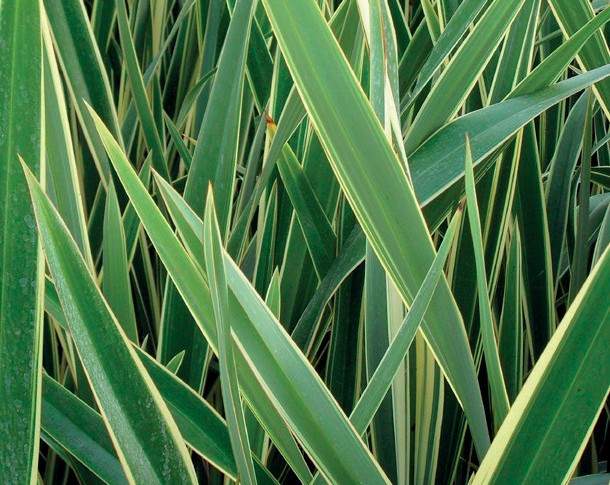
Harakeke / Flax
Harakeke was the name given to this plant by Maori. The first European traders called it “flax” because its fibres were similar to that of true flax found in other parts of the world. Though we still call it flax today, harakeke is really a lily. It is unique to New Zealand and is one of our oldest plant species. The Flax you will see around Azur is known as Common Flax.
Common flax is found throughout the country. It grows up to three metres high and its flower stalks can reach up to four metres. It has seedpods that stand upright from the stems. The other type is mountain flax and is found both at altitude and along exposed coastlines. It never grows as large as common flax, rarely reaching more than 1.6 metres. The seed-pods hang down.
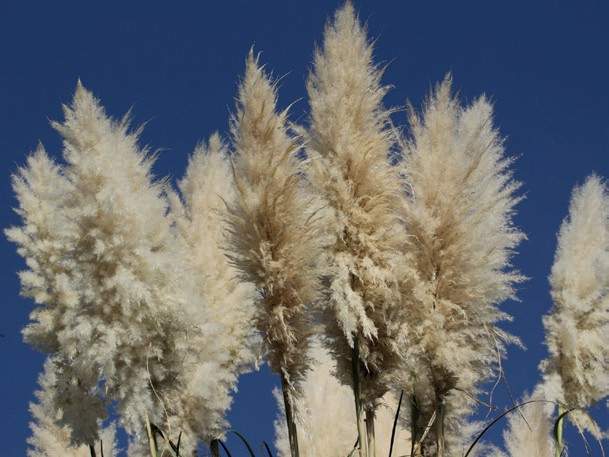
ToeToe
These New Zealand grasses are absolutely beautiful. Their plumes form in late spring and last throughout summer, and they are as iconic as the Cabbage tree. Toi Toi is a common spelling for this grass, though Toetoe is preferred by botanists. They are both Maori words, and both sound the same.
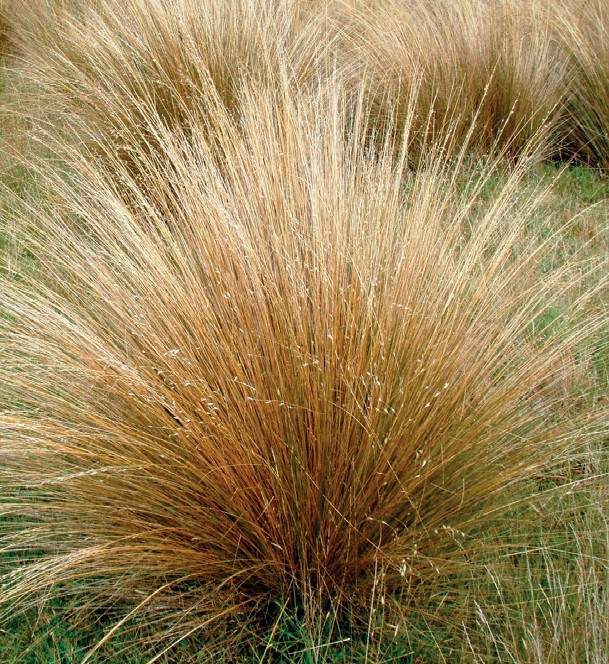
Tussock
New Zealand’s native grasslands are dominated by tussocks – grasses that have a clumping growth form, with stems fanning up and outward from a central bunch.
This growth form helps grasses to survive. Much of the plant is protected in a bunch of basal stems, unlike woody plants, which have exposed and vulnerable growing stem tips. Tussocks tolerate fire better than most woody plants. In the past, farmers burnt off large areas of tussock and tried to replace it with imported grasses, so they could graze more animals.
But many people’s attitudes have changed, and grasslands are now valued as important native ecosystems. Tussocks are also popular with gardeners.
Black Beech Trees
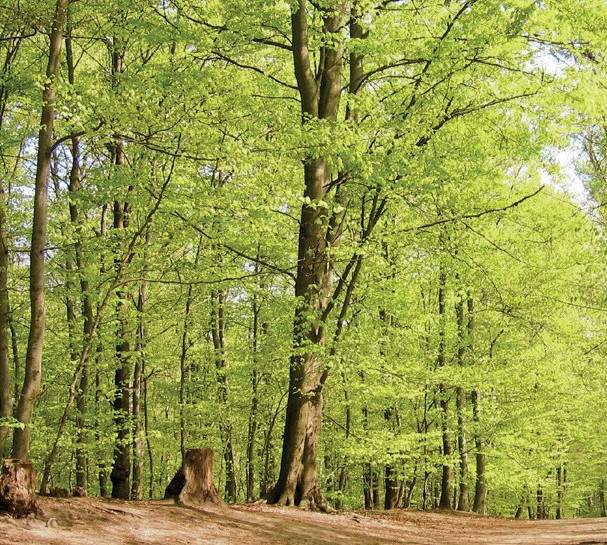
Black beech is an evergreen tree that can grow up to twenty-five metres tall with a trunk about one metre through. When young, its bark is pale and smooth, but it becomes rough, furrowed and black with age and is often covered with moss and a black velvety mould. The leaves of black beech are small, thick, shiny and smooth around the edge – not toothed like most other kinds of beech. In New Zealand there are 5 species of native beech.
They are called ‘black’, ‘hard’, ‘silver’, ‘red’ and mountain – names given to them by the early timber millers who were familiar with the different kinds of bark and wood of the trees. The black beech is the most prominent of the beech trees that are found at Azur.
Fern
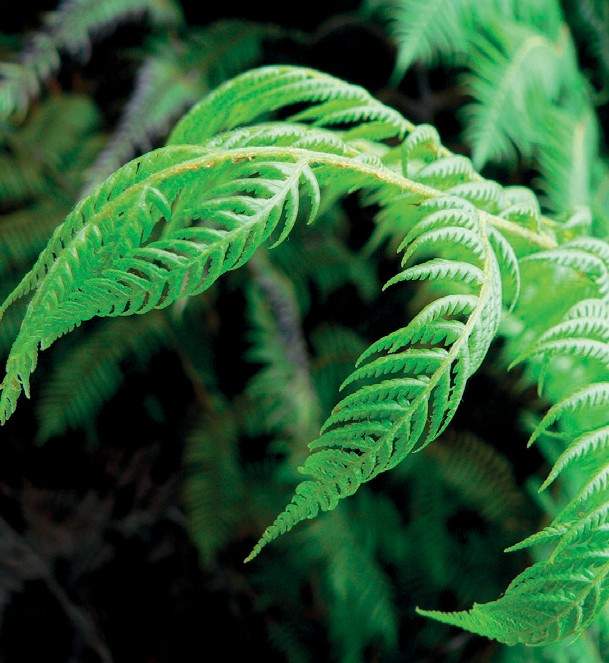
Ferns are mostly a tropical group, and New Zealand has an unusually high number of species for a temperate country.
We have about 200 species, ranging from ten-metre-high tree ferns to filmy ferns just 20 millimetres long. About 40 per cent of these species occur nowhere else in the world. Ferns are typically found in moist, forested areas because they require lots of water. Ferns are abundant in all damp situations in New Zealand forests, forming the undergrowth beneath a dense canopy of evergreen trees. They are also found growing on tree trunks and branches and along stream banks. Some hardy species have adapted to other drier habitats such as coastal, alpine, urban and even desert locations.